
It’s common for parents to wonder whether their child is simply a late bloomer or whether their slower growth could indicate something more. While height is influenced by genetics, it is also affected by many aspects of a child’s health and development. For that reason, pediatric providers place significant importance on tracking growth over time rather than focusing on a single measurement.
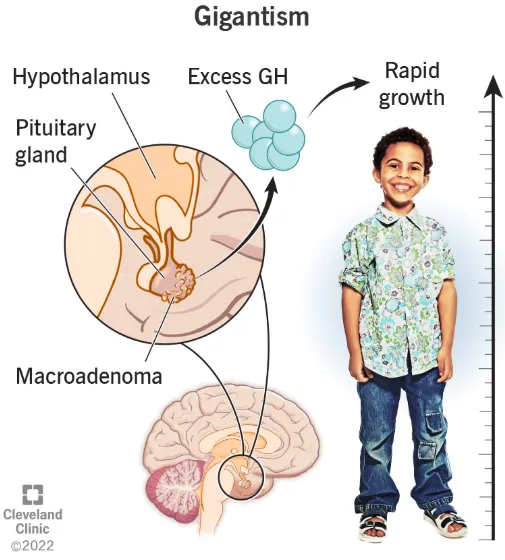
Understanding what contributes to healthy growth can help families recognize when additional evaluation may be worthwhile.
Growth Is a Reflection of Overall Health
A child’s height is influenced by numerous systems working together. Healthy bones, proper nutrition, balanced hormones, quality sleep, and good overall health all contribute to normal growth throughout childhood and adolescence.
When one of these systems isn’t functioning optimally, growth may slow before other symptoms become noticeable. That’s why regular pediatric checkups are essential—they allow healthcare providers to identify subtle changes that may otherwise go unnoticed.
Looking for Trends Instead of Comparing Children
Children should never be compared solely to classmates or siblings. Instead, doctors evaluate whether a child is maintaining their own expected growth pattern.
Some important questions include:
- Is the child growing consistently each year?
- Has growth velocity slowed?
- Has the child’s height percentile changed significantly?
- Is puberty beginning at an expected age?
- Is weight gain appropriate for age?
Answering these questions provides a much clearer picture of growth than height alone.
Conditions That May Affect Growth
Several medical conditions can interfere with normal height development, including:
- Growth hormone deficiency
- Constitutional growth delay
- Thyroid disorders
- Nutritional deficiencies
- Chronic gastrointestinal diseases
- Kidney disease
- Certain genetic disorders
- Chronic inflammatory conditions
Fortunately, many of these causes can be identified through a comprehensive medical evaluation.
Understanding Today’s Treatment Options
Treatment recommendations depend entirely on the reason for slow growth. Many children simply require observation because they are healthy but naturally smaller or develop later than their peers.
For children with specific endocrine disorders, physicians may discuss therapies that support healthy growth. Families researching Hgh and height often discover that successful treatment involves much more than increasing stature. The primary goal is to address the underlying medical condition while supporting normal growth and development whenever appropriate.
Each treatment plan should be personalized based on the child’s diagnosis, growth potential, and overall health.
Questions About Cost
One of the most common concerns families have after discussing treatment is affordability.
Parents frequently ask How much do growth hormones cost because expenses vary based on the medication prescribed, insurance benefits, treatment duration, and available financial assistance programs. Having these conversations early allows families to better understand potential coverage and prepare for the treatment process if therapy becomes medically necessary.
Why Early Evaluation Can Make a Difference
Childhood provides a limited opportunity for natural height gain. Once growth plates mature and close, additional growth becomes increasingly limited.
This is why specialists encourage parents not to ignore persistent concerns about slow growth. Early evaluation provides time to determine whether monitoring, additional testing, or Height therapy should be considered before growth potential begins to diminish.
Even if treatment is ultimately unnecessary, obtaining a clear diagnosis often provides valuable reassurance for both parents and children.
Supporting Healthy Development
Every child deserves an individualized approach to growth and development. Regular wellness visits, careful monitoring of growth patterns, and timely medical evaluations when concerns arise help ensure that children receive the most appropriate care based on their unique needs.
Whether the outcome is reassurance, continued observation, or medical intervention, understanding a child’s growth pattern today helps support healthier outcomes for the future.